
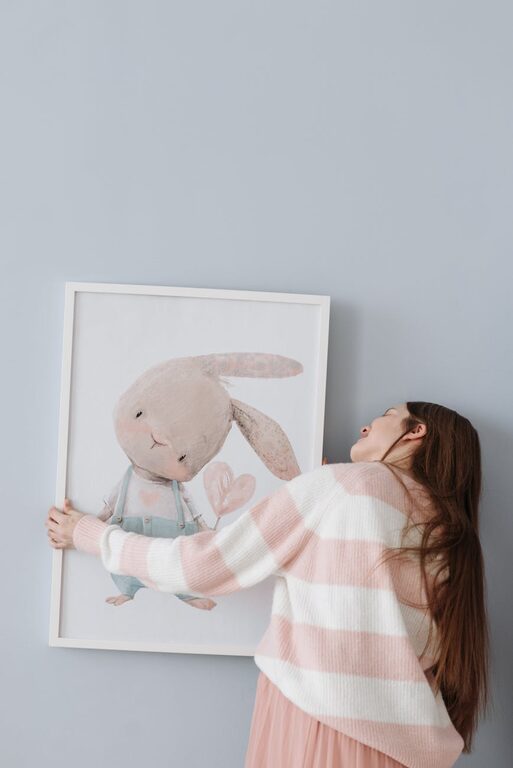
Creating a serene and welcoming atmosphere in your home often starts with the colors you choose for your walls, furniture, and accessories. Calm colors can help reduce stress, promote relaxation, and make your home a comforting retreat from everyday life. If you’re considering refreshing your space with soothing hues, this guide will help you select the right calm colors to fit your style and environment.
Why Choose Calm Colors?
Calm colors tend to be soft, muted, and easy on the eyes. They create a visually restful space that encourages a sense of peace and balance. Many people find these colors useful not only for living rooms and bedrooms but also for spaces like home offices or bathrooms where relaxation and focus are important.
Some benefits of calm colors include:
– Reducing visual noise and distractions
– Enhancing mental clarity and peace of mind
– Creating a timeless look that suits many decorating styles
– Making rooms feel more spacious and airy
Popular Calm Color Families
When thinking about calm colors, certain color families come to mind:
Blues
Blue is widely known for its calming properties and is often associated with the sky and ocean. Soft blues and muted shades like powder blue, slate, or dusty blue promote tranquility and can help reduce feelings of anxiety.
Greens
Green represents nature and renewal, making it perfect for creating a restful space. Sage, mint, or olive green are gentle options that blend well with wood tones and natural elements.
Neutrals and Earth Tones
Soft neutrals such as beige, taupe, greige (gray-beige), and warm white provide a clean and calm backdrop. Earth tones like soft browns and terracotta can also add warmth without overwhelming the senses.
Lavender and Soft Purples
Lavender and light purple shades offer subtle calmness with a touch of elegance. These hues work beautifully in bedrooms or meditation spaces.
Tips for Choosing the Right Calm Colors
1. Consider the Room’s Purpose
Think about how you intend to use the space. For bedrooms and relaxation areas, cooler colors like blue and green are excellent. For social or multipurpose rooms, warm neutrals or soft pastels might work better.
2. Test with Samples
Always try paint samples on your walls before committing. Colors can look very different depending on lighting, wall texture, and surrounding objects. Observe the samples at different times of day to see how natural and artificial light affect the color.
3. Balance Color with Texture and Light
Colors come to life when combined with the right textures and lighting. For example, a soft, matte finish can enhance calmness, while glossy surfaces might feel more energetic. Use natural light where possible, and think about supplemental lighting to maintain a soothing mood.
4. Limit Bold Accents
If you want to include brighter colors, use them sparingly as accents through throw pillows, artwork, or rugs. This approach preserves the calm base without making the room feel dull.
5. Create a Color Palette
Use a color palette to coordinate wall colors, furniture, and accessories. A palette with two or three calm shades along with neutral tones helps maintain harmony.
How to Incorporate Calm Colors
Walls
Painting walls in calm colors is the most obvious way to set the mood. Consider an accent wall with a slightly deeper shade to add dimension without overpowering the space.
Furniture and Fabrics
Choose upholstered furniture, curtains, and bedding in calm hues that complement your walls. Soft textures in these materials, such as linen or cotton, also amplify the relaxing effect.
Accessories
Decorate with accessories in coordinating calm colors. Items like vases, lamps, and cushions can provide subtle color touches that reinforce the overall atmosphere.
Natural Elements
Incorporate plants, wooden furniture, and natural fiber rugs. Greens from plants tie naturally into calm color schemes, adding freshness and life.
Mistakes to Avoid
– Ignoring Lighting: A beautiful soft blue can look cold and dark if your room lacks natural light.
– Choosing Too Many Colors: Overloading a space with many different shades can reduce the calming effect.
– Overly Bright or Vibrant Shades: Bright colors like neon or intense reds tend to energize rather than calm.
– Skipping Testing: Skipping paint samples can lead to disappointment if the colors don’t look as expected.
Final Thoughts
Choosing calm colors for your home is a wonderful way to enhance your living space and create a soothing environment. By understanding your preferences, testing samples, and harmonizing your palette, you can enjoy a peaceful home that suits your style. Whether you prefer the coolness of blue, the freshness of green, or warm neutrals, calm colors will help you unwind and recharge every day.
Start small if you’re unsure—consider painting a single wall or refreshing your textiles—and gradually build toward a fully calm and inviting home. Happy decorating!