
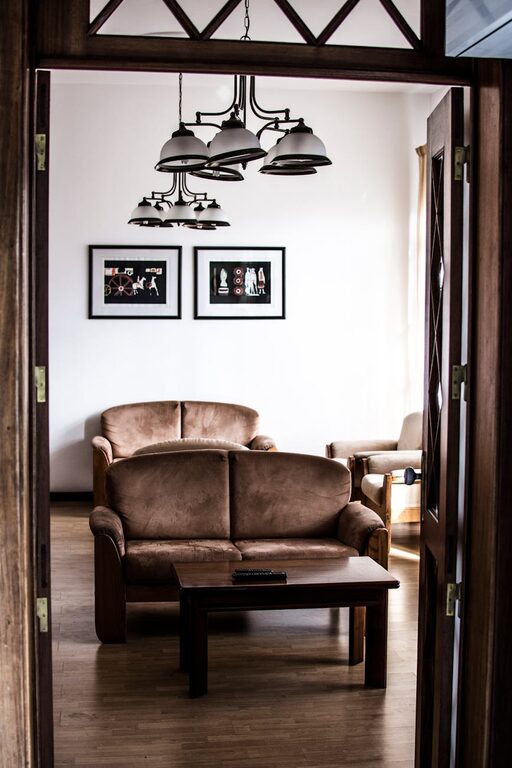
Creating a comfortable ambiance in your home is about more than just furniture and decorations—lighting plays a crucial role. The right lighting can transform a space, highlighting your favorite features while providing a warm and inviting atmosphere. However, choosing comfortable home lighting can be tricky with so many options available.
This guide will help you understand how to select lighting that not only looks good but also feels right for every corner of your home.
Why Comfortable Lighting Matters
Comfortable lighting influences how you feel in a space. Poor lighting can cause eye strain, headaches, or make a room feel cold and unwelcoming. On the other hand, well-chosen lighting can enhance your mood, encourage relaxation, and improve functionality.
When planning your lighting, consider factors such as brightness, color temperature, style, and placement to create a balanced and comfortable environment.
Understand Different Types of Lighting
Before choosing fixtures or bulbs, it’s helpful to know the three main types of lighting:
1. Ambient Lighting
This is the general, overall light in a room. It fills the space and allows you to move around safely. Examples include ceiling-mounted fixtures, recessed lights, and large lamps.
2. Task Lighting
Task lighting focuses on specific areas where activities like reading, cooking, or working take place. Desk lamps, under-cabinet kitchen lights, and vanity lights fall into this category.
3. Accent Lighting
Accent lighting highlights particular features, such as artwork, plants, or architectural details. Spotlights and wall-mounted fixtures often serve this purpose.
Balancing these types creates a layered lighting scheme that suits different needs throughout the day.
Tips for Choosing Comfortable Home Lighting
1. Consider Your Room’s Purpose
Think about how each room is used. A living room might benefit from soft ambient lighting combined with adjustable reading lamps. A kitchen requires bright task lighting for meal preparation, while bedrooms typically have dimmable options to promote relaxation.
2. Choose the Right Color Temperature
Light color temperature influences the mood of a room. It’s measured in Kelvins (K):
– Warm light (2700K–3000K) creates a cozy, inviting atmosphere ideal for bedrooms and living rooms.
– Neutral light (3500K–4100K) offers a balanced feel, suitable for bathrooms, kitchens, or workspaces.
– Cool light (5000K–6500K) mimics daylight and can be energizing, often used in garages or home offices.
Selecting the correct temperature helps maintain comfort and functionality.
3. Opt for Dimmable Fixtures
Dimmers provide flexibility, allowing you to change lighting levels according to your mood or needs. Installing dimmable bulbs and compatible switches can transform a bright room into a calm retreat with just a turn of a knob.
4. Prioritize Energy-Efficient Bulbs
LED bulbs are a popular choice because they offer excellent light quality while saving energy and lasting longer than traditional incandescent bulbs. They also come in a range of color temperatures and brightness levels.
Energy-efficient lighting is better for your wallet and the environment without compromising comfort.
5. Use Lamps and Shades for Softer Light
Hard, direct lighting can feel harsh or create glare. Incorporating lamps with fabric or frosted shades diffuses light, creating a gentle glow. Table lamps, floor lamps, and sconces contribute to a warm and layered lighting effect.
6. Pay Attention to Bulb Brightness (Lumens)
Brightness is measured in lumens rather than watts. To ensure comfortable lighting:
– Living rooms and bedrooms: 1,500–3,000 lumens total from various sources
– Kitchens: 4,000–8,000 lumens for functional clarity
– Bathrooms: Around 4,000 lumens focusing on vanity areas
Mix smaller sources of light to avoid a single glaring spotlight.
7. Think About Fixture Placement
Where you place your lights changes how comfortable your room feels:
– Avoid placing lights directly above your head to reduce eye strain.
– Use multiple light sources at different heights.
– Position task lighting precisely where you need it to avoid shadows.
8. Match Lighting Style to Your Decor
While comfort is key, style matters too. Modern minimalist spaces might benefit from sleek, simple fixtures, while traditional rooms may suit more ornate designs. Match your lighting with your overall aesthetic for a cohesive look.
Extra Ideas for Cozy Home Lighting
– Smart Lighting Solutions: Use smart bulbs and switches to program your lights according to time of day or activities, enhancing convenience and comfort.
– Natural Light: Maximize daylight with window treatments that allow light in during the day, reducing the need for artificial lighting.
– Reflective Surfaces: Mirrors and light-colored walls can help bounce light around the room, making it feel brighter without adding more light fixtures.
Final Thoughts
Choosing comfortable home lighting is about layering different sources to suit your lifestyle, adjusting brightness and warmth, and ensuring your space feels welcoming. By considering the function of each room, selecting the right bulbs, and smartly placing fixtures, you can create beautifully lit rooms that never tire your eyes.
Experiment, make small changes, and enjoy the newfound comfort that thoughtfully chosen lighting brings to your home.